


Hey Duggee: We Love Animals
4.12.00 Reviews
App Specs
- Version
- 1.5.2
- Updated On
- License
- $2.99
- Downloads
- 10,000+
- Developer
- BBC Studios Distribution Ltd.
- Categories
- Educational
- Platform
- Android
Screenshots
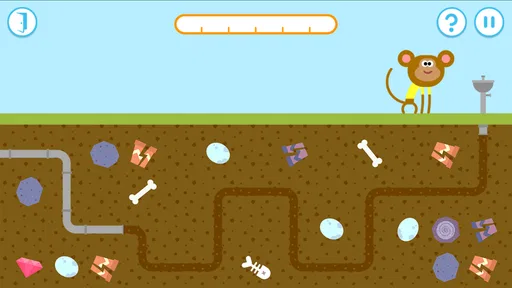
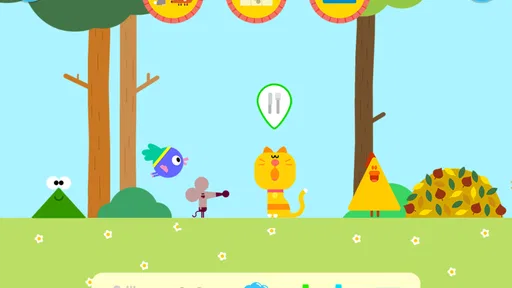
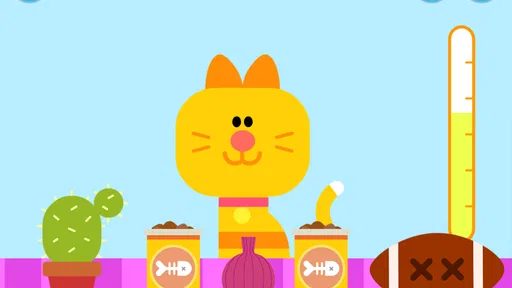
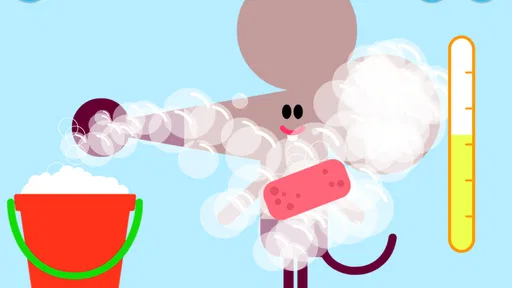
 Analysis by AppCompare
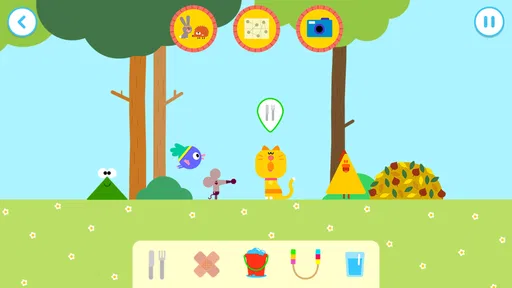
Hey Duggee: We Love Animals is a small educational game built around a simple idea: children learn about caring for animals by helping the Squirrels do it themselves. I found that focus more useful than a noisy collection of unrelated mini-games. Instead of trying to teach everything at once, the experience keeps returning to the relationship between a child, an animal, and the responsibility involved in looking after it.
That makes the game especially easy to understand for young players who already know Hey Duggee from television. The familiar setting gives the activities an inviting starting point, while the animal-care theme gives parents something concrete to discuss afterward. I would describe it as a gentle learning game rather than a deep simulation. Its value comes from encouraging attention, recognition, and simple decision-making, not from offering a large world to explore.
Developed by BBC Studios Distribution Ltd., the game sits in the educational category and is suitable for Everyone. It costs $2.99, so it is a paid choice rather than a free distraction supported by constant prompts. Its average rating is 4.1 from around 57 ratings, and it has passed 10K+ installs. Those figures suggest a modest but established audience, which feels appropriate for a focused preschool-style title rather than a broad family game.
Learning to care instead of merely tapping through
I find that the animal-care theme works best when a child has time to notice what each activity is asking, rather than tapping quickly to reach the end. In the next section, I look at how those small goals give play a sense of direction—and how an adult can help turn a simple choice into a moment of thought.
The central capability is guided animal care
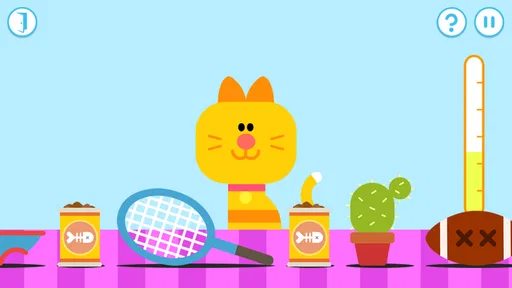
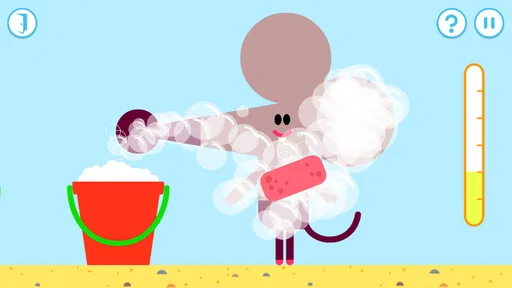
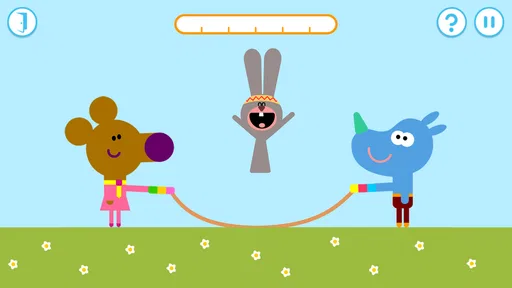
The strongest part of the game is its use of animal care as the main learning tool. A child is not simply asked to identify pictures or match colors in isolation. The activities are framed as things that need doing for an animal, which gives each interaction a little more meaning. Even when the action itself is straightforward, the context encourages a child to think about needs, sequence, and gentle treatment.
In my experience, this is the feature that separates the game from many basic character-branded apps. A typical early-learning title may focus on letters, numbers, shapes, or quick matching rounds. Those are useful skills, but they can feel like exercises. Here, the animal theme gives the child a reason to stay engaged: the Squirrels are learning how to look after animals, and the player is invited to practice alongside them.
That does not turn the app into a complete lesson about animal welfare. It is better understood as an introduction to the idea that animals have needs and that caring for them involves paying attention. Parents should therefore treat it as a conversation starter, not as a substitute for real-world guidance about pets, wildlife, or safe contact with animals.
Worth Reading Before You Choose

Flipboard Shows What News Apps Must Do Beyond the Feed

Switching to Android Auto Means Rethinking Your Driving Routine

Google Calendar Makes a Crowded Week Easier to Manage

Ludo King Makes the Most of the Minutes Between Plans

Baby Panda World Brings Quick Play to Modern Phones, but Its Game Library Feels Busy

ESPN’s Live Game View Makes Following Close Games Easier
Why the theme matters for younger players
Young children often respond more readily to a task when it is attached to a character they recognize. The Hey Duggee setting helps lower the barrier to starting. A child who might ignore an unfamiliar educational app may be willing to try because the Squirrels make the activity feel like part of a familiar story world.
The animal-care focus also supports open-ended conversation. After a session, I could ask what the animal needed, why the Squirrels helped, or what the child would do differently in real life. Those questions extend the learning beyond the screen without requiring the game to become complicated. This is one of its less obvious strengths: the app works best as a shared prompt between a child and an adult, not as a digital babysitter.
There is a trade-off here. Children who want fast rewards, competitive scoring, or a large amount of exploration may find the calm structure too limited. The same simplicity that makes the game approachable can make it feel brief or repetitive to an older child. Its intended appeal is strongest when the player enjoys role-play and familiar characters more than challenge.
What the experience feels like in practice
When I approached the game as a short activity rather than a long play session, its design made more sense. The child can concentrate on the immediate animal-care task without needing to learn a complicated control scheme or remember a large set of rules. That matters for younger players, who can lose interest quickly when an app demands too much reading or coordination before anything happens.
I would still sit nearby during the first session. Not because the concept is difficult, but because a young child may need help understanding what the game is asking and why an action matters. Once the basic pattern is clear, the adult can step back and let the child attempt the activity independently. That creates a useful balance: the app provides the prompt, while the child supplies the attention and response.
A practical tip is to avoid presenting it as a test. If a child makes an incorrect choice, I would ask what the animal might need and encourage another look rather than immediately correcting the answer. That approach turns the game’s simple interactions into a small reasoning exercise. The learning comes from noticing and reconsidering, not from racing to finish.
A realistic everyday use case
The best scenario for this game is a short, calm session before or after a real conversation about animals. For example, a parent could use it on a quiet afternoon when a child has been asking for a pet, visiting a farm, or showing interest in animals. The game gives the child a safe way to think about care before the adult connects that idea to real responsibilities.
It can also fit a waiting situation better than a frantic action game. A few minutes in a waiting room or during a travel break may be enough to complete a focused activity and then talk about it. I would not rely on it as an all-day source of entertainment, but that is not where it is strongest. Its value is in creating a manageable moment of attention.
For families with more than one young child, taking turns can add another layer. One child can make the choice while the other explains what the animal might need. This avoids turning the experience into a competition and encourages language development, prediction, and listening. It is a particularly effective workaround for the game’s limited depth: the conversation between children supplies variety that the app itself does not need to provide.
How it compares with usual educational alternatives
Compared with alphabet or counting apps, this game offers less direct practice in traditional school-readiness skills. If your immediate goal is letter recognition, early numeracy, or handwriting preparation, a dedicated learning app will probably be a better fit. Those alternatives usually make their learning objective more explicit.
Compared with open-ended digital pet games, this title is more focused and less demanding. A virtual pet app may offer longer-term routines, customization, or repeated maintenance, while this experience is easier to approach without committing to an ongoing digital responsibility. That can be an advantage for parents who want a contained activity rather than another game that asks to be checked throughout the day.
Compared with watching an episode of Hey Duggee, the game gives the child a more active role. Watching is easier and may be better when a child is tired, but interactive choices can encourage more deliberate attention. The difference is not that one is automatically better; it depends on whether the child needs rest or wants to participate. I see this game as a useful bridge between passive viewing and real-world discussion.
Limitations parents should understand
The most important limitation is scope. This is a focused educational game, not a broad animal encyclopedia, a realistic care simulator, or a full adventure. A child looking for many locations, characters, or escalating challenges may finish the available experience and want something more substantial. The game’s calm approach is a strength for its audience, but it also places a natural ceiling on replay value.
The brand connection can work both ways. A Hey Duggee fan may be immediately interested, while a child unfamiliar with the show may not feel the same pull. The animal-care idea remains understandable on its own, but the recognizable characters are part of the emotional appeal. Parents should choose it for the theme and the learning approach, not simply because it carries a familiar name.
The paid price also changes how I judge it. At $2.99, I expect a polished, contained experience that can be used without the distractions commonly associated with free children’s apps. I would not compare it with an unlimited subscription library on the same terms. The better question is whether a family wants this particular kind of short, character-led activity. For that purpose, the one-time purchase is easier to justify than paying for a large app that a child may never open.
The release history is another practical consideration. It first appeared on Nov 24, 2016, and the current version is 1.5.2, with Android support beginning at version 5.1. That makes it a longstanding title rather than a new release built around current mobile trends. I would check that an older device meets the operating-system requirement before purchasing, especially if the game is intended for a hand-me-down phone or tablet.
Small techniques that improve the experience
First, I recommend letting the child attempt each activity before explaining it. The game’s simplicity gives young players room to observe, and stepping in too quickly can turn an interactive task into a demonstration by the adult. A short pause often reveals whether the child understands the goal or only recognizes the characters.
Second, use the animal-care theme to introduce real boundaries. A child may come away excited about helping animals, so it is worth explaining that real animals should be approached with an adult’s permission and handled gently. This is not a criticism of the game; it is a way to connect its pretend setting with safe behavior outside the screen.
Third, repeat the activity with a different question rather than simply repeating the same actions. On one play, ask the child what the animal needs. On another, ask what should happen first or how the child knows the animal is being helped. This makes the same content support observation, sequencing, and verbal explanation without pretending that the game itself has a large progression system.
Finally, stop while the child is still engaged. Because the game works well in short bursts, there is little benefit in stretching a session until the child becomes restless. Ending after a successful activity leaves room for the parent to continue the subject through a book, a walk, or a discussion about animals the child already knows.
Who will get the most from it
I think the best audience is a young Hey Duggee fan who enjoys gentle interaction and is beginning to understand that animals need care. It is also a good fit for parents who want an app with a clear educational theme but do not want a complicated interface or an aggressive challenge structure. The Everyone age rating makes it suitable for family use, while the accessible premise gives adults an easy way to join in.
It may be less suitable for a child who expects a long adventure, competitive rewards, or detailed customization. I would also look elsewhere if the main goal is formal practice with reading, mathematics, or language drills. In those cases, a specialized educational app should provide more targeted repetition and progression.
For families already using screen time as a chance to talk and play together, this game has more value than its modest scope might suggest. The key is to treat the interactive animal-care capability as the beginning of the experience, not the entire lesson. The app supplies a friendly situation; the adult can turn that situation into questions, explanations, and real-life connections.
My final view
Hey Duggee: We Love Animals succeeds because it keeps one idea clear: caring for an animal means noticing what it needs and responding thoughtfully. I appreciate that it does not need complicated systems to make that idea approachable. The Squirrels and the familiar setting give children an inviting way into the subject, while the short format makes it practical for everyday use.
I would recommend it to families seeking a gentle, paid educational game for a young child, especially when the child already likes Hey Duggee or enjoys animal themes. I would skip it for older players who need depth or for parents searching for a structured literacy or numeracy course. Within its narrower purpose, though, it is a pleasant choice. Its real strength is turning a few simple interactions into a conversation about responsibility, which is exactly the kind of learning that can continue after the device is put away.
Pros
- Friendly animal facts make learning feel fun and approachable.
- Simple controls are suitable for younger children using a tablet.
- Bright visuals and familiar characters keep children engaged.
- Short activities work well for quick play sessions.
- Encourages curiosity about different animals and their habitats.
Cons
- Some content may feel too easy for older children.
- Replay value can be limited after activities are completed.
- Requires enough storage space for media and game assets.
- Adult supervision may still be needed for younger users.
- Availability of features may vary by device or region.
FAQs for Hey Duggee: We Love Animals
What is Hey Duggee: We Love Animals?
Hey Duggee: We Love Animals is an interactive children’s game inspired by the popular Hey Duggee animated series. It introduces young players to a variety of animals through simple activities, playful animations, and familiar characters. The experience is designed for preschool-aged children, with an emphasis on exploration, recognition, and gentle learning rather than competition or difficult gameplay.
Is Hey Duggee: We Love Animals suitable for young children?
The game is primarily aimed at preschool children, especially fans of Hey Duggee who enjoy colorful visuals and straightforward touch controls. Activities are generally easy to understand and do not require advanced reading or gaming skills. Parents should still check the recommended age rating on the relevant app store, as suitability can vary depending on the child’s development and the device being used.
Does Hey Duggee: We Love Animals require an internet connection?
Many parts of the game may be playable after installation without a constant internet connection, which can be convenient for travel or areas with limited connectivity. However, an internet connection may be needed to download the app, receive updates, restore purchases, or access certain content. Availability can also differ between Android and iOS versions, so checking the store description is recommended.
Does the game contain advertisements or in-app purchases?
The presence of advertisements, paid content, or in-app purchases can depend on the edition, platform, and region where Hey Duggee: We Love Animals is downloaded. Before installing, parents should review the official Google Play or App Store listing for the latest pricing and purchase information. It is also sensible to enable parental controls and require authentication for any transactions made on the device.
Is Hey Duggee: We Love Animals educational or mainly for entertainment?
Hey Duggee: We Love Animals is mainly a playful entertainment experience, but it can also support early learning through animal recognition, listening, visual attention, and simple cause-and-effect interactions. It is not intended to replace structured education, reading practice, or real-world activities with parents. Children will usually get the most value when adults play alongside them and discuss the animals and actions shown.


